
TL;DR
- A copyable launch roadmap with six phases, milestones, and owners.
- Runs from validation 8+ weeks out through launch day to the 30 days after.
- Covers audience building, asset prep, and the launch plan in sequence.
- Adaptable to your launch tier.
On this page
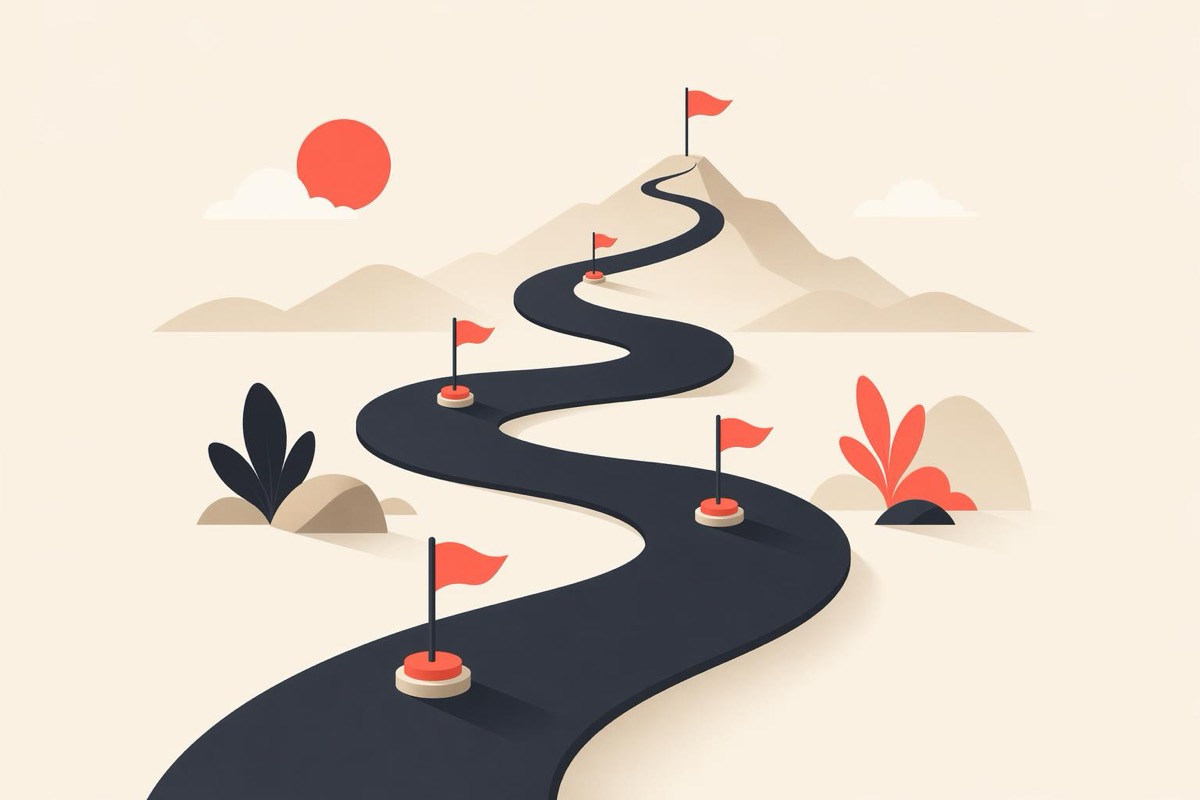
A startup launch roadmap is a phased plan that turns "we should launch soon" into dated milestones with owners. Without one, launches slip, assets get made the night before, and the audience never gets warmed up. This template gives you the phases, the milestone in each, and who typically owns it. Copy it, put real dates on it, and adapt to your product.
How to use this template
Work backward from your target launch date. Assign each milestone an owner and a date. The phases are sequential, but they overlap: you are building the audience (Phase 2) throughout the build (Phase 1). Treat the launch date as a deadline the earlier phases feed into, not a starting gun.
Phase 1: Validate (launch minus 8+ weeks)
Goal: confirm the problem is real before you over-build.
| Milestone | Owner | Done when |
|---|---|---|
| 15 to 20 user problem interviews | Founder | You can quote the pain in users' words |
| Evidence of existing spend or workaround | Founder | You found what people pay/do today |
| Smallest testable version shipped | Product | A few users said yes to a prototype/landing page |
| Positioning locked in one sentence | Founder | A stranger understands what it is and for whom |
Starting from zero and still choosing what to build? The free micro SaaS idea generator gives you a shortlist with the audience and pain already named, so you walk into your first interviews with a real hypothesis instead of a blank page.
Phase 2: Build the audience (launch minus 8 weeks, ongoing)
Goal: assemble the reachable audience that caps your launch-day outcome.
| Milestone | Owner | Done when |
|---|---|---|
| Landing page with email capture live | Marketing | Collecting signups |
| Waitlist with referral loop live | Marketing | Signups can refer others (viral waitlist guide) |
| Building in public underway | Founder | Posting progress where buyers are |
| Genuine participation in 2 to 3 target communities | Founder | Known, useful member (not a stranger) |
Phase 3: Prepare assets (launch minus 3 weeks)
Goal: everything a visitor sees, ready and on-spec.
| Milestone | Owner | Done when |
|---|---|---|
| One-line value prop + tagline | Marketing | Matches positioning, on-spec (tagline generator) |
| Demo video or GIF | Product | Shows the product working, short |
| Launch landing page + offer | Marketing | Built for launch traffic, not the generic homepage |
| Channel assets (first comment, social posts) | Marketing | Drafted for each channel (first comment generator) |
| Gallery / screenshots on-spec | Design | Matches asset specs |
Phase 4: Plan the launch (launch minus 2 weeks)
Goal: the coordinated push, scripted.
| Milestone | Owner | Done when |
|---|---|---|
| Launch day + channels chosen | Founder | Matched to audience (day picker) |
| Engagement waves written | Marketing | Names, channels, messages per wave |
| Inner-circle volunteers recruited | Founder | 10 to 30 confirmed for the first hour |
| Analytics + tracking set up | Eng | UTM links, conversion events, launch alerts |
Phase 5: Launch (Day 0)
Goal: execute calmly because the work is done.
| Milestone | Owner | Done when |
|---|---|---|
| Post live at 12:01 AM PT (if PH) | Founder | Scheduled/confirmed live |
| Waves activated on schedule | Marketing | Each wave sent on time (launch day timeline) |
| Every comment answered fast | Founder + team | No unanswered comments |
| Mid-day update posted | Marketing | One progress update sent |
If you are launching on Product Hunt, the "answer every comment" row is not just etiquette. Since Product Hunt's January 2024 algorithm change, comments count as a primary ranking input alongside upvotes, so a founder who replies substantively all day is actively defending rank, not just being polite.
Phase 6: Follow through (Day 1 to Day 30)
Goal: convert a 48-hour spike into durable assets.
| Milestone | Owner | Done when |
|---|---|---|
| Thank-you posts + launch retro | Founder | Published with real numbers |
| Email list nurtured | Marketing | Short sequence sent to new signups |
| Social proof added to site | Marketing | Badges, testimonials, press live |
| Compounding channel started | Marketing | SEO engine underway (SEO after launch) |
Adapt it to your tier
If you are launching a major feature rather than a whole company, compress: Phase 1 becomes a quick user check, Phase 2 leans on your existing users, and the whole thing runs in days not weeks. If you are launching a new company, run every phase in full. Match the roadmap's weight to what you are actually shipping, the same tier logic in our product launch strategy guide.
FAQ
What should a startup launch roadmap include?
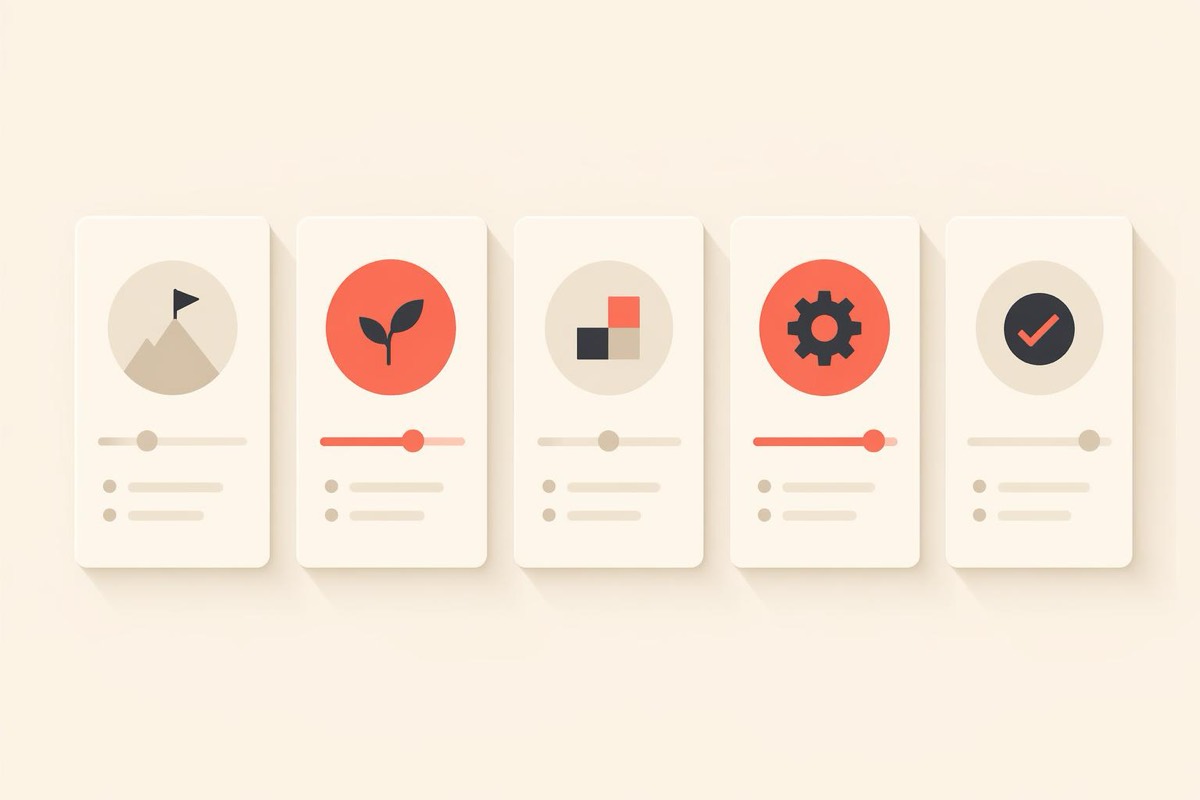
Phases for validation, audience-building, asset preparation, launch planning, the launch itself, and post-launch follow-through, each with dated milestones and named owners. Work backward from your target launch date.
How far in advance should a launch roadmap start?
For a new product, eight or more weeks before launch, because validation and audience-building take the most time. A major-feature launch can compress into a couple of weeks.
Who owns a startup launch?
Ownership is shared: the founder typically owns validation, positioning, and community relationships; marketing owns assets, channels, and nurture; product and engineering own the demo, tracking, and the launch-ready experience. Assign each milestone explicitly.
Can one person run a whole launch roadmap?
Yes, solo founders run every phase themselves, which is exactly why the roadmap matters, it keeps a single person from dropping the audience-building work while heads-down on the build.
How do I adapt the roadmap for a feature launch?
Compress it. Shorten validation to a quick user check, lean on your existing users instead of building a new audience, and run the whole sequence in days. Match the effort to the significance of what you are shipping.
Turn the roadmap into action for a Product Hunt launch with the 35-item launch checklist, which maps to Phases 3 through 5 in detail.