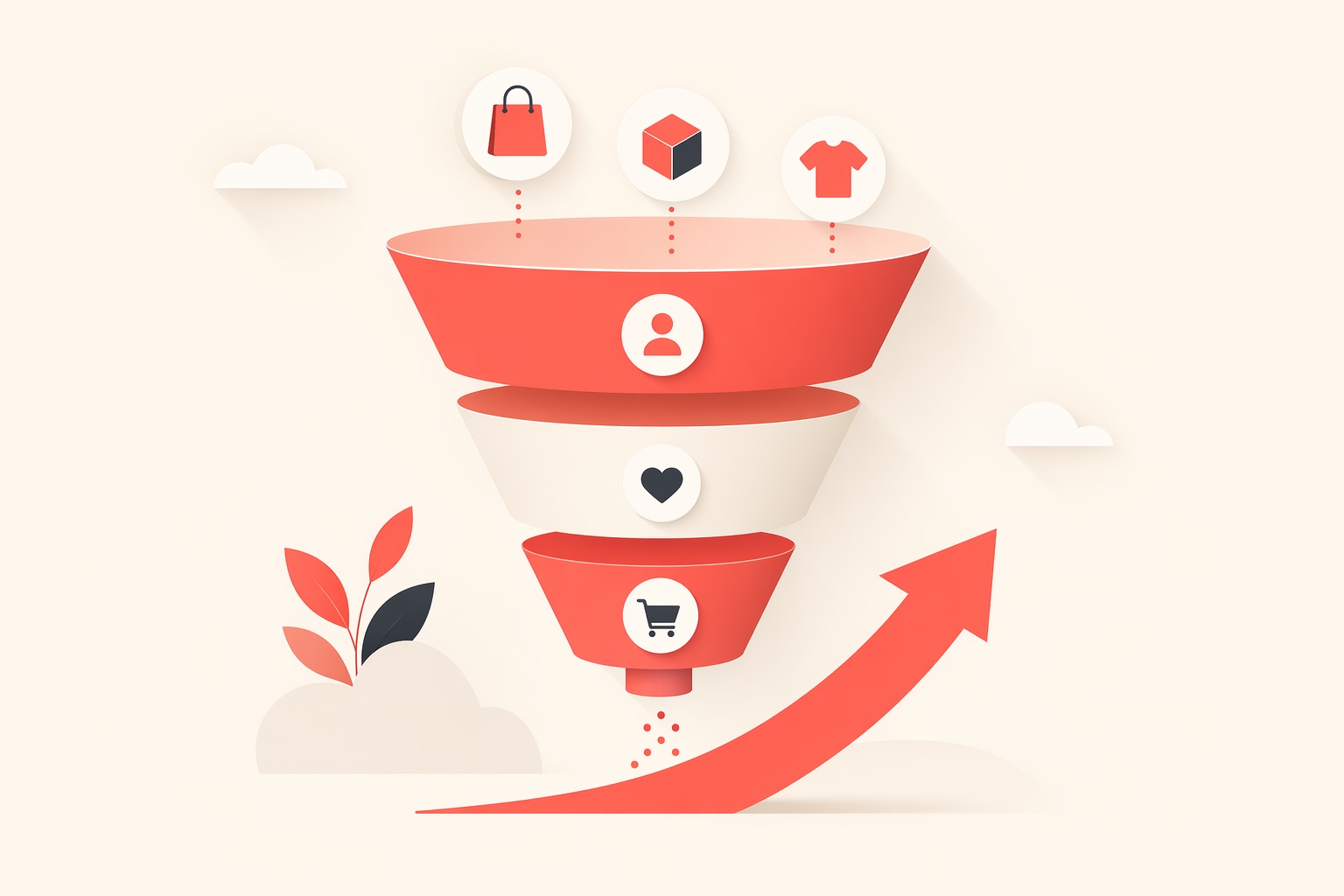
TL;DR
- A framework that starts with positioning, not tactics.
- Match the launch tier to what you are actually shipping.
- Build the audience before the launch and sequence channels instead of firing them all at once.
- Prepare launch-ready assets and plan the follow-through before you launch.
On this page
A product launch strategy is a plan for turning a thing you built into a thing people adopt. The good ones share a structure: sharp positioning, an audience warmed up in advance, a sequenced set of channels rather than a single "launch day", and a tier of effort that matches what you are actually shipping. A new company launches differently from a feature update, and treating them the same is why most launches underperform.
Here is the framework.
Start with positioning, not tactics
Before any channel or date, answer one question in a sentence a stranger understands: what does this do, for whom, and why is it better than what they use now? If you cannot say it clearly, no launch tactic will save it, because every asset downstream (tagline, landing page, ad, pitch) inherits the fuzziness.
Good positioning is specific and comparative: "the issue tracker your team will actually use" tells you the category, the buyer, and the wedge. "An all-in-one productivity platform" tells you nothing. Lock positioning first.
A much-upvoted r/SaaS post named the failure modes bluntly: "after years of building SaaS MVPs I keep seeing the same three things kill founders. They sell to everyone, their offer is a commodity, and they have no money model." Positioning is where you fix the first two. Pick a specific buyer with an expensive problem, and say plainly what makes you different, before you touch a single channel.
Match the launch tier to what you are shipping
Not every launch deserves the full machine. Right-size the effort:
- Tier 1, a new product or company. Full launch: audience warm-up, multiple channels, press, a launch-day push, a Product Hunt or Show HN moment. Weeks of prep.
- Tier 2, a major feature or new capability. A focused launch: your existing users, a blog post and email, a social push, maybe a small community post. Days of prep.
- Tier 3, an incremental update. A changelog, an in-app note, one social post. Hours.
Founders burn credibility by treating a Tier 3 update like a Tier 1 event ("REVOLUTIONARY UPDATE" for a bug fix), and waste opportunities by soft-launching a Tier 1 product. Pick the tier honestly.
Build the audience before the launch
The single biggest predictor of a launch outcome is how many relevant people you can reach in the first hours. That audience is built before launch, not during:
- An email list of people who opted in around the problem you solve.
- Communities you genuinely participate in, where sharing your launch is welcome because you are a known member.
- A waitlist you nurture, so launch day has a warm army. See the viral waitlist guide.
No amount of launch-day cleverness substitutes for distribution you built over months.
Sequence your channels, do not fire them all at once
"Launch day" is a misnomer for a good launch, which is really a launch week. Sequencing lets each channel get a dedicated push and lets earlier wins feed later ones:
- T-14: early-access or waitlist drop, slow-drip directories like BetaList.
- Day 0: your primary channel, the big push. Product Hunt for tech buyers, or your list plus a Show HN.
- Day 1: a secondary channel (Hacker News if technically novel).
- Days 2 to 4: targeted community posts (niche subreddits, relevant forums).
- Days 5 to 14: a launch retro on your blog and LinkedIn, passive directories, and outreach off the initial momentum.
The product hunt alternatives guide lays out a full multi-platform sequence and which audience each channel fits.
Prepare launch-ready assets
Sequencing and audience get people to look. Assets convert them:
- A one-line value proposition that matches your positioning.
- A demo (short video or GIF) that shows the product working, not a feature list.
- A launch-specific landing page, not your generic homepage, with a clear offer and a fast path to value.
- A launch offer (discount, extended trial, early-bird deal) to convert curiosity into commitment.
If Product Hunt is your primary channel, the tagline generator and first comment generator build the two assets that convert there.
Plan the follow-through before you launch
The launch spike decays in 48 hours. The strategy has to include what happens after, or you leave the real value on the table:
- Nurture the list you captured with a short sequence.
- Publish a launch retro (numbers, lessons). These rank and earn links.
- Turn social proof into assets: badges, testimonials, press mentions on your site and in sales material.
- Start the compounding channel, usually SEO, so the launch keeps paying off. Our SEO after launch guide covers the 90-day version.
FAQ
What is a product launch strategy?
A plan for turning a built product into an adopted one: sharp positioning, an audience warmed up in advance, a sequence of launch channels rather than a single day, launch-ready assets, and a follow-through plan. The effort should match the tier of what you are shipping.
What are the phases of a product launch?
Positioning, audience-building, channel sequencing, the coordinated launch itself, and post-launch follow-through. The launch is one phase in the middle, not the whole strategy.
How do I choose launch channels?
Match them to where your specific buyer already is, then sequence two or three over a week rather than firing all at once. Product Hunt for tech buyers, Hacker News for developer tools, niche subreddits, LinkedIn for B2B, TikTok and Reels for consumer.
How much should I prepare for a product launch?
It depends on the tier. A new product (Tier 1) needs weeks of audience warm-up and multi-channel prep. A major feature (Tier 2) needs days. An incremental update (Tier 3) needs hours. Match effort to significance.
What should I do after launch day?
Nurture the list you captured, publish a launch retro, convert social proof into homepage and sales assets, and start a compounding channel like SEO. The launch spike fades in 48 hours, so the follow-through is where lasting value comes from.
If your primary channel is Product Hunt, put the framework into motion with the launch checklist and the full how to launch on Product Hunt playbook.